
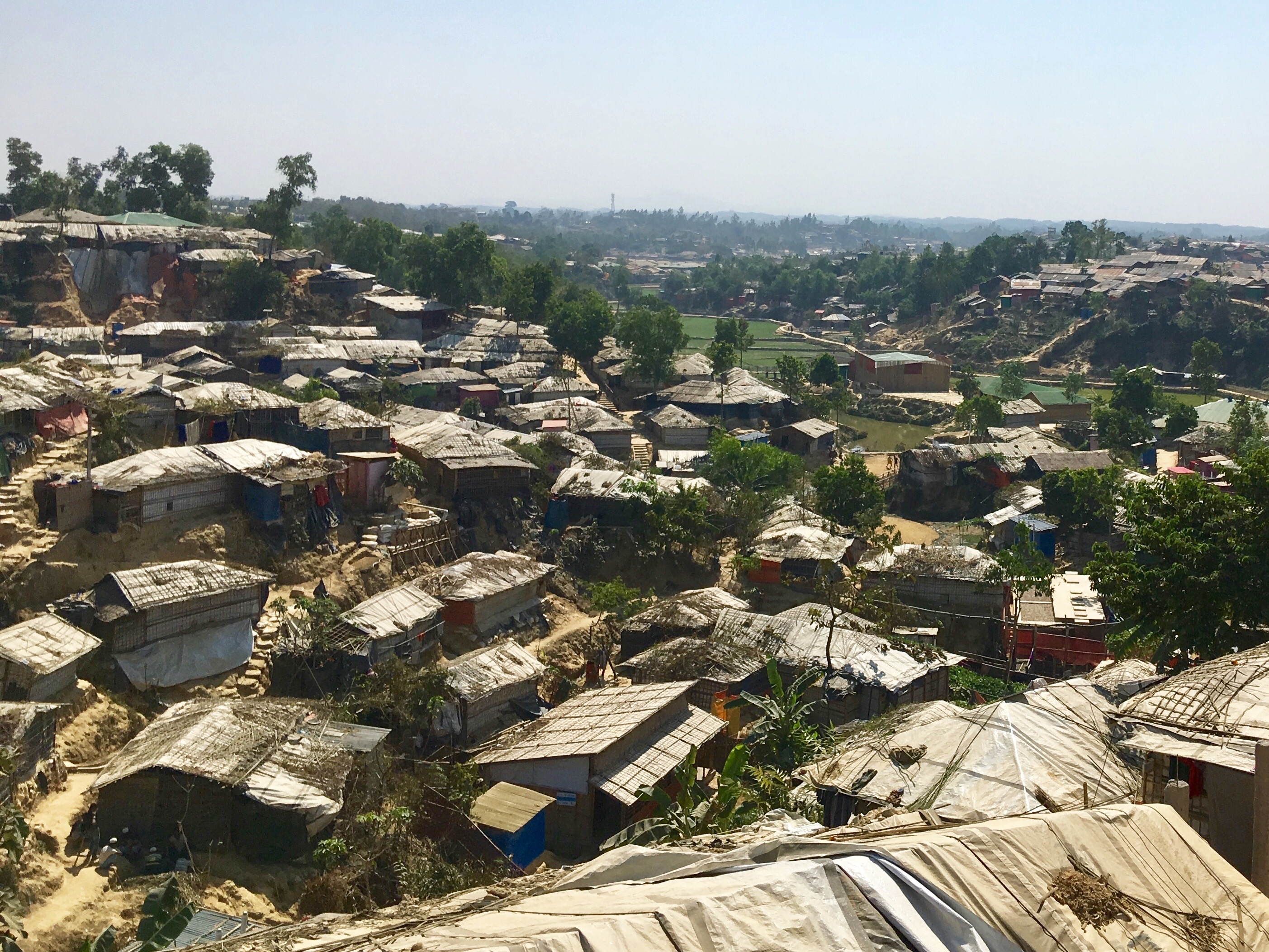
The Rohingya refugee camp near Cox’s Bazaar www.christianaid.org.uk
“Jibon Tari” Floating Hospital www.impact.org.uk
LAMB Hospital, Parbatipur, NW Bangladesh www.lambhealth.org.uk
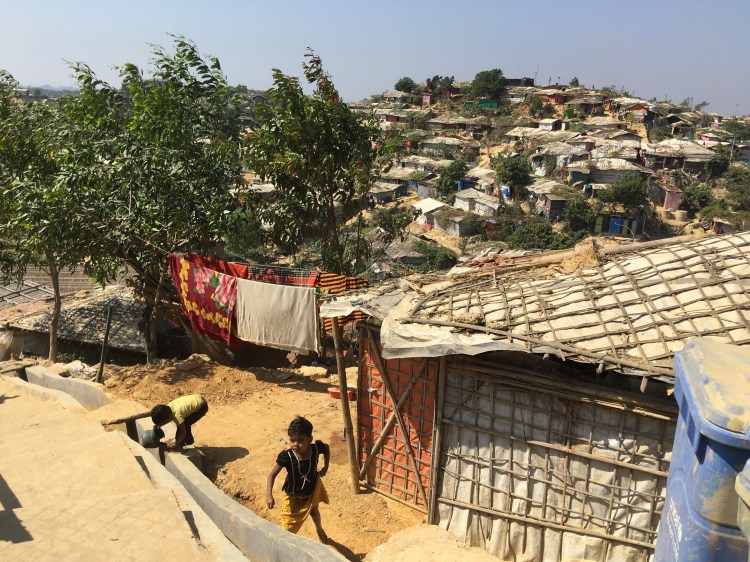
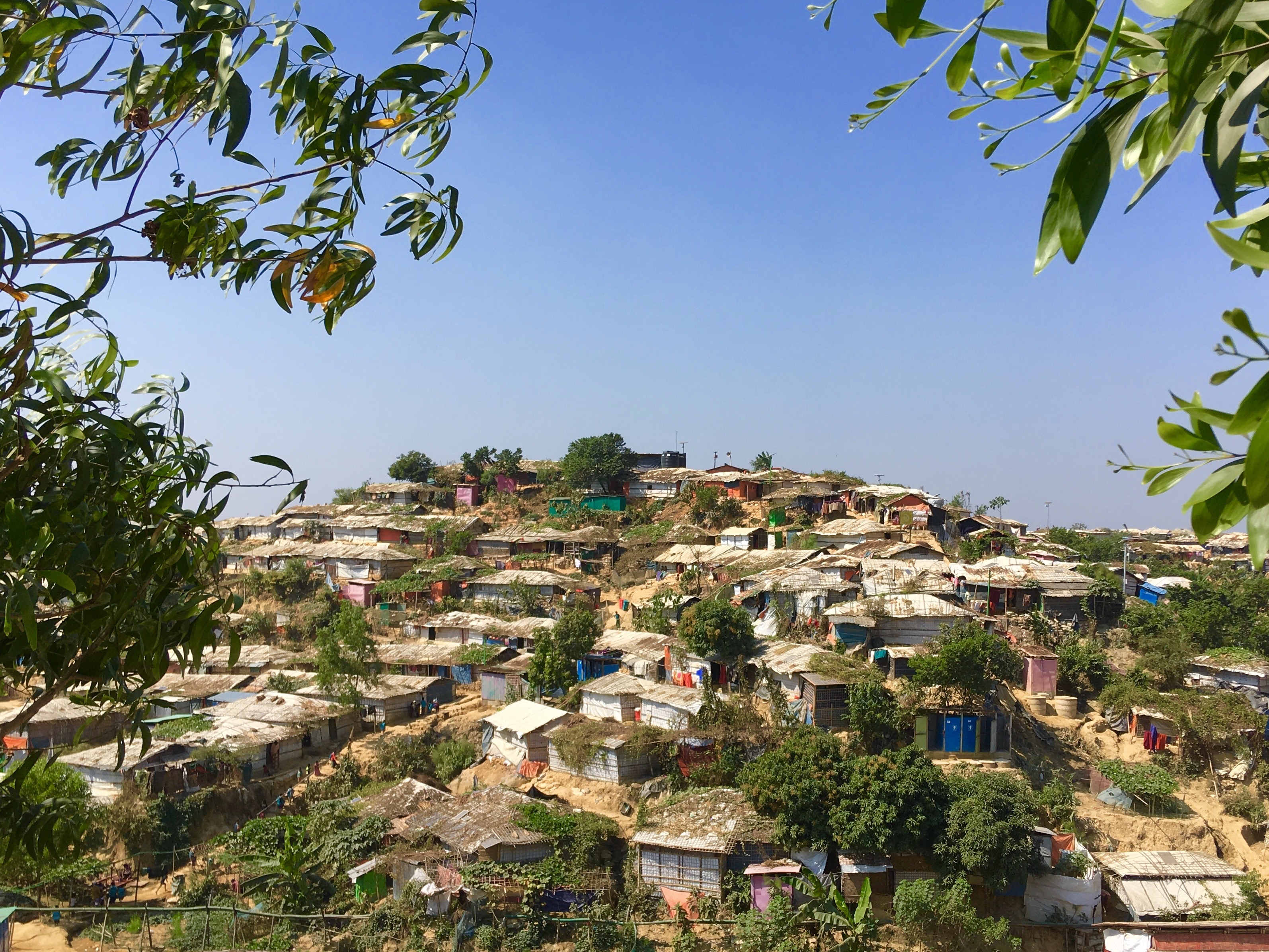
The Rohingya refugee camp near Cox’s Bazaar in eastern Bangladesh is home to more than a million people, most of them having fled across the border from Rakhine State in nearby Myanmar since 2017 to escape persecution and violence. See below for details of a visit Dr Nick and his wife, Claudine, made to the camp in 2020 and the help we have been able to give them since.
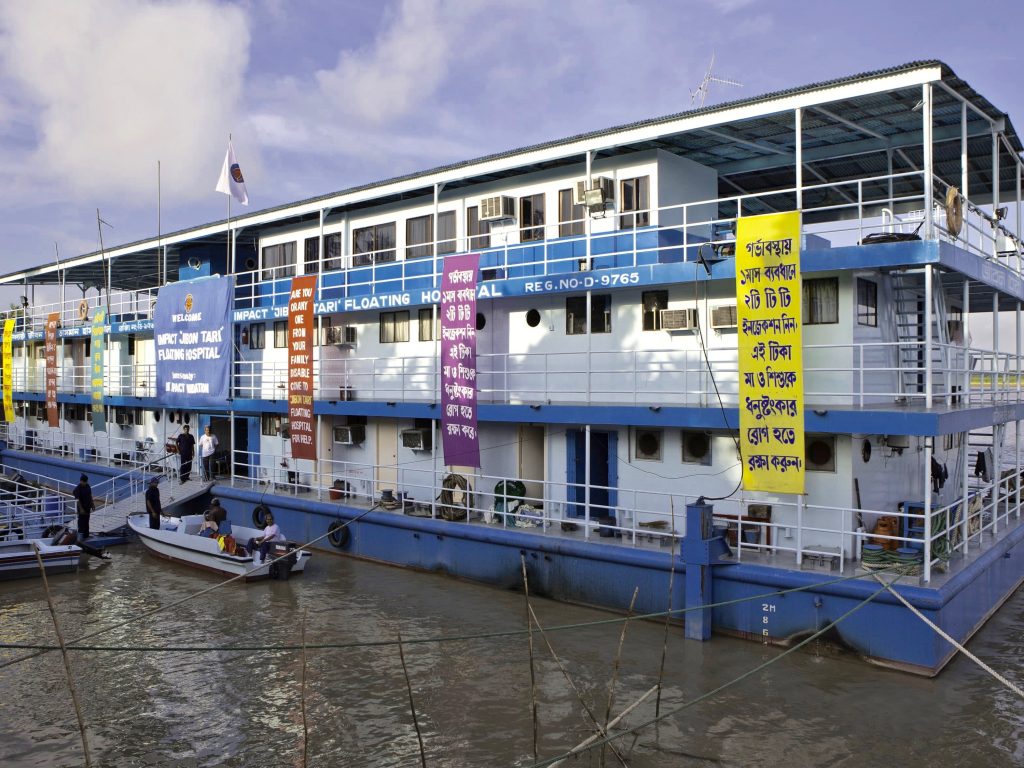
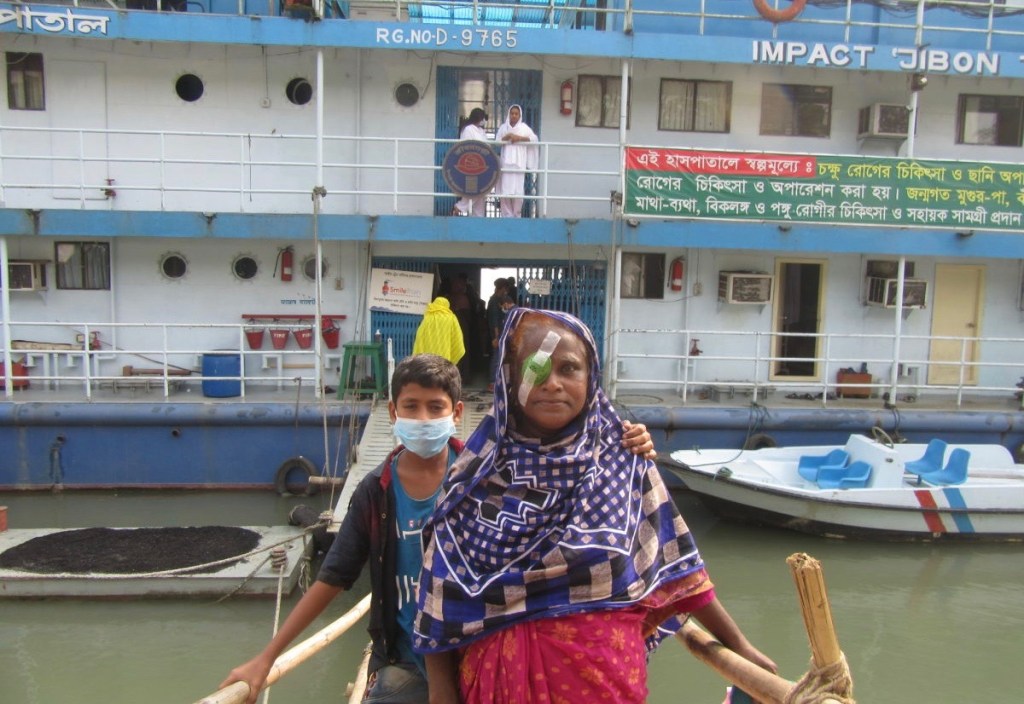
More recently through a well established link with the charity Impact UK we have been helping the ‘Jibon Tari’ Floating Hospital (see photos below) which provides vital medical care including surgical operations to disadvantaged and remote riverside communities throughout Bangladesh. Our last two donations in support of Jibon Tari have both been match-funded and will therefore enable twice as many life changing operations for conditions such as cleft palate and club foot to be carried out on children as they would have done.
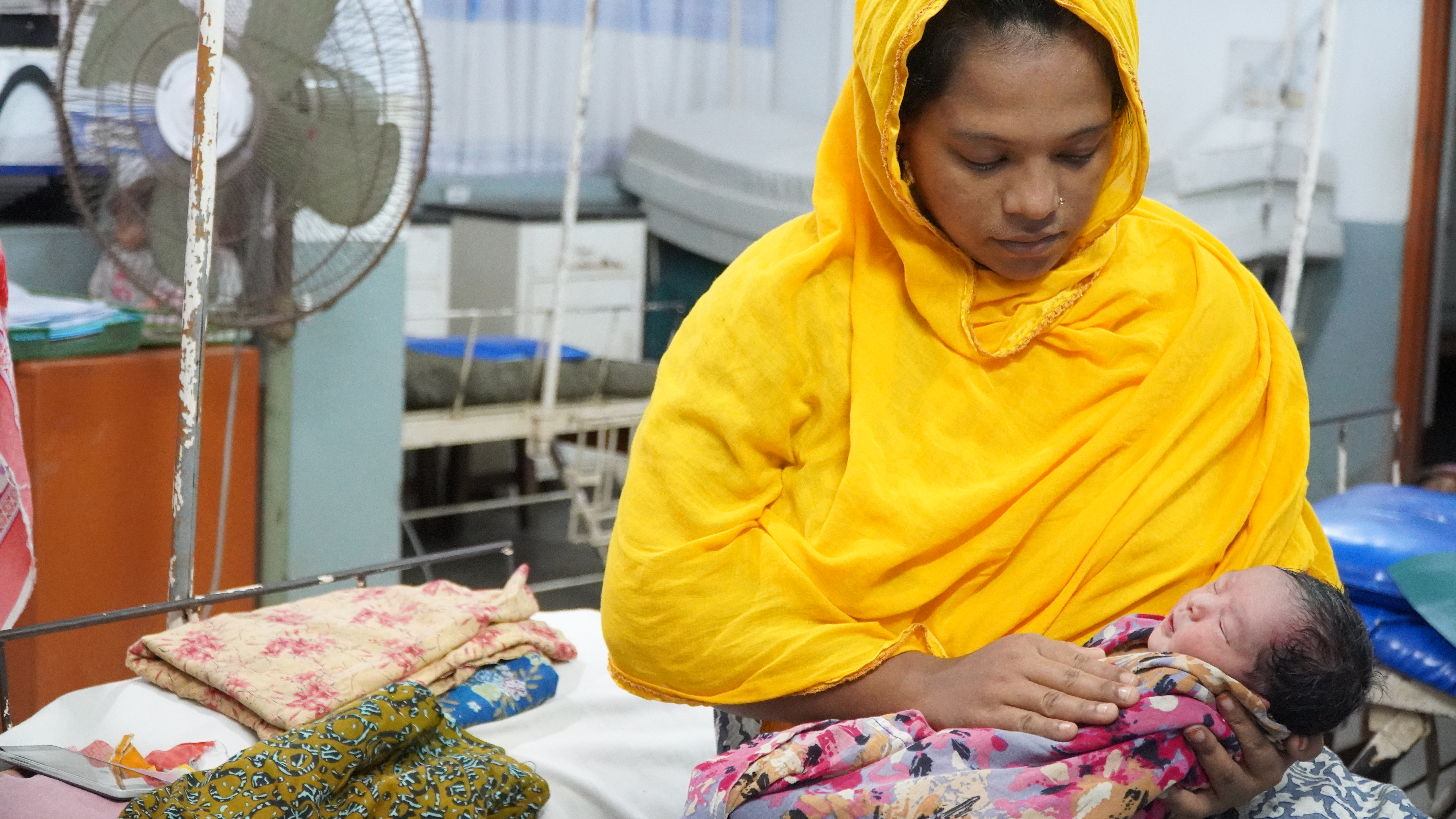
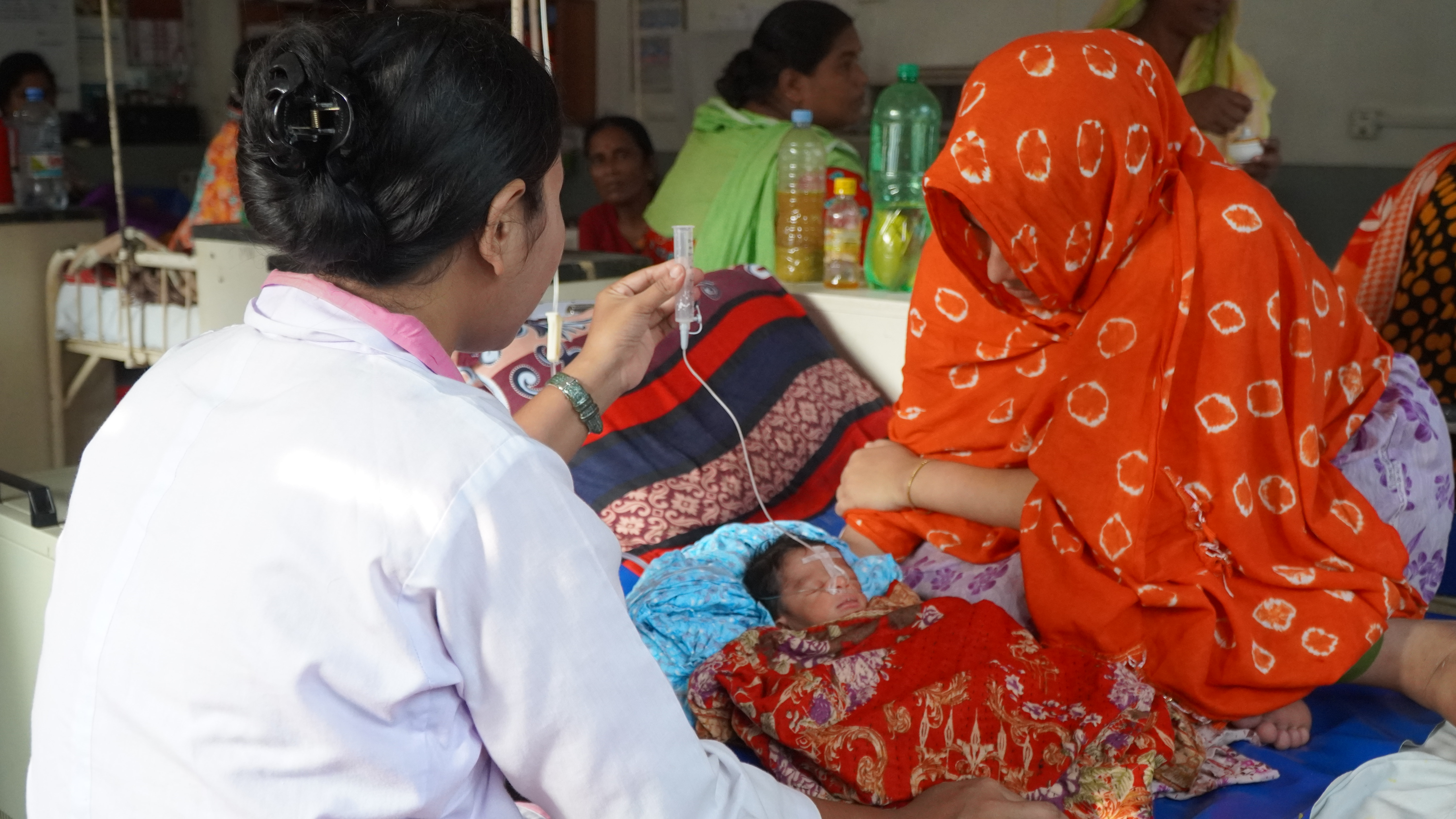
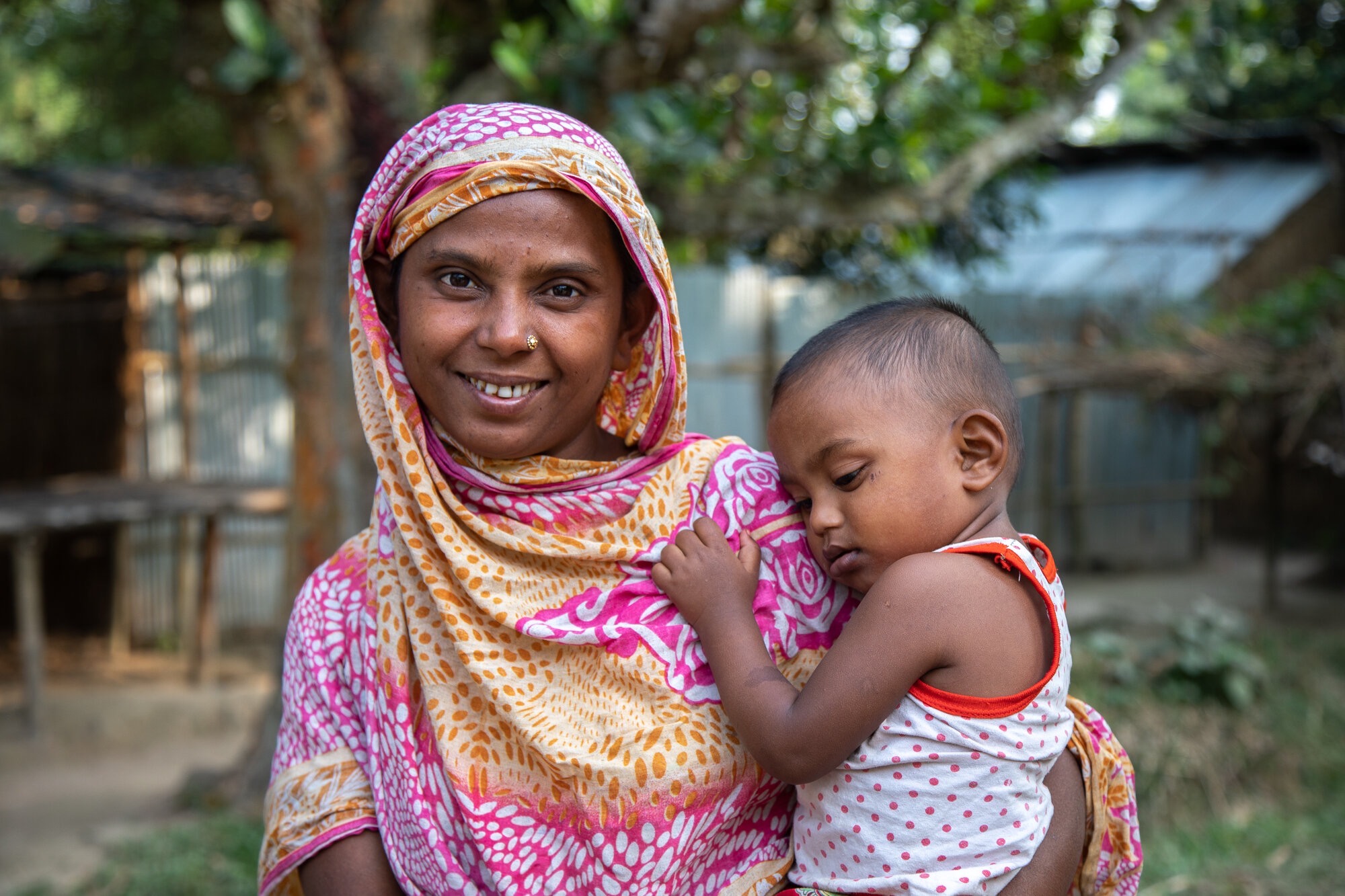
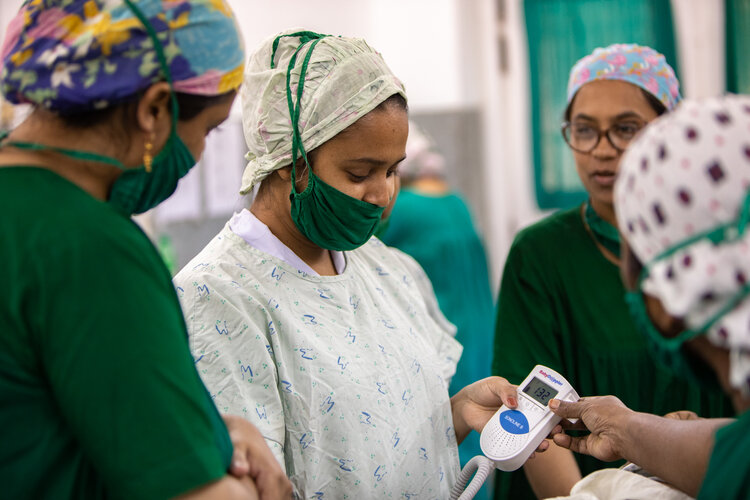
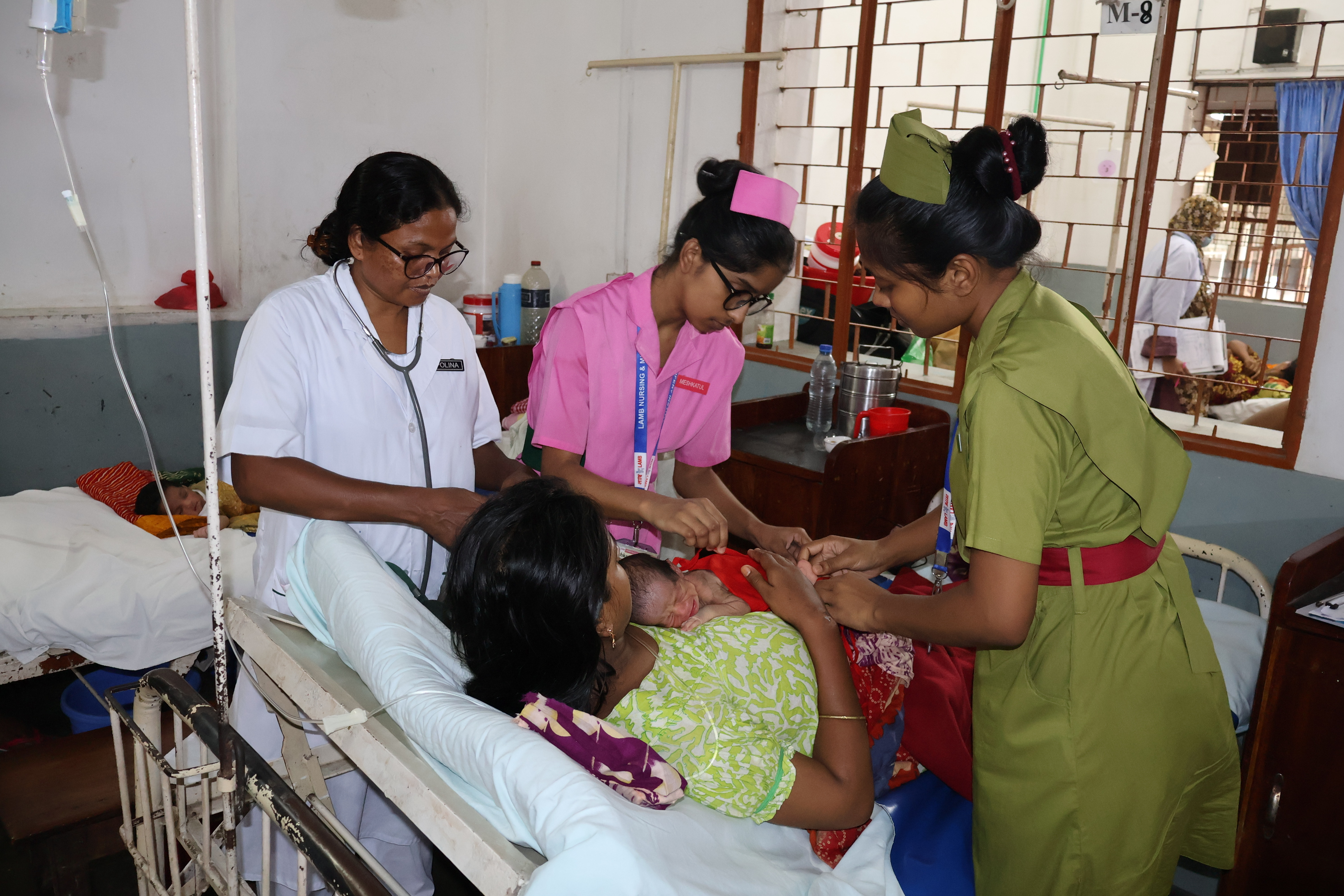
Through a colleague of Dr Tony we have also been introduced to the work done by the UK registered charity LAMB Health. This charity was set up in 1979 and runs a 150 bed hospital near Parbatipur in NW Bangladesh which serves a population of approximately 1.5million as well as an extensive community health programme that reaches out to as many as 5million people. In June 2025 we awarded a grant to the hospital to cover the cost of some much needed medical equipment including an ECG machine, several pulse oximeters and a new refrigerator for the paediatric ward (see photos below).
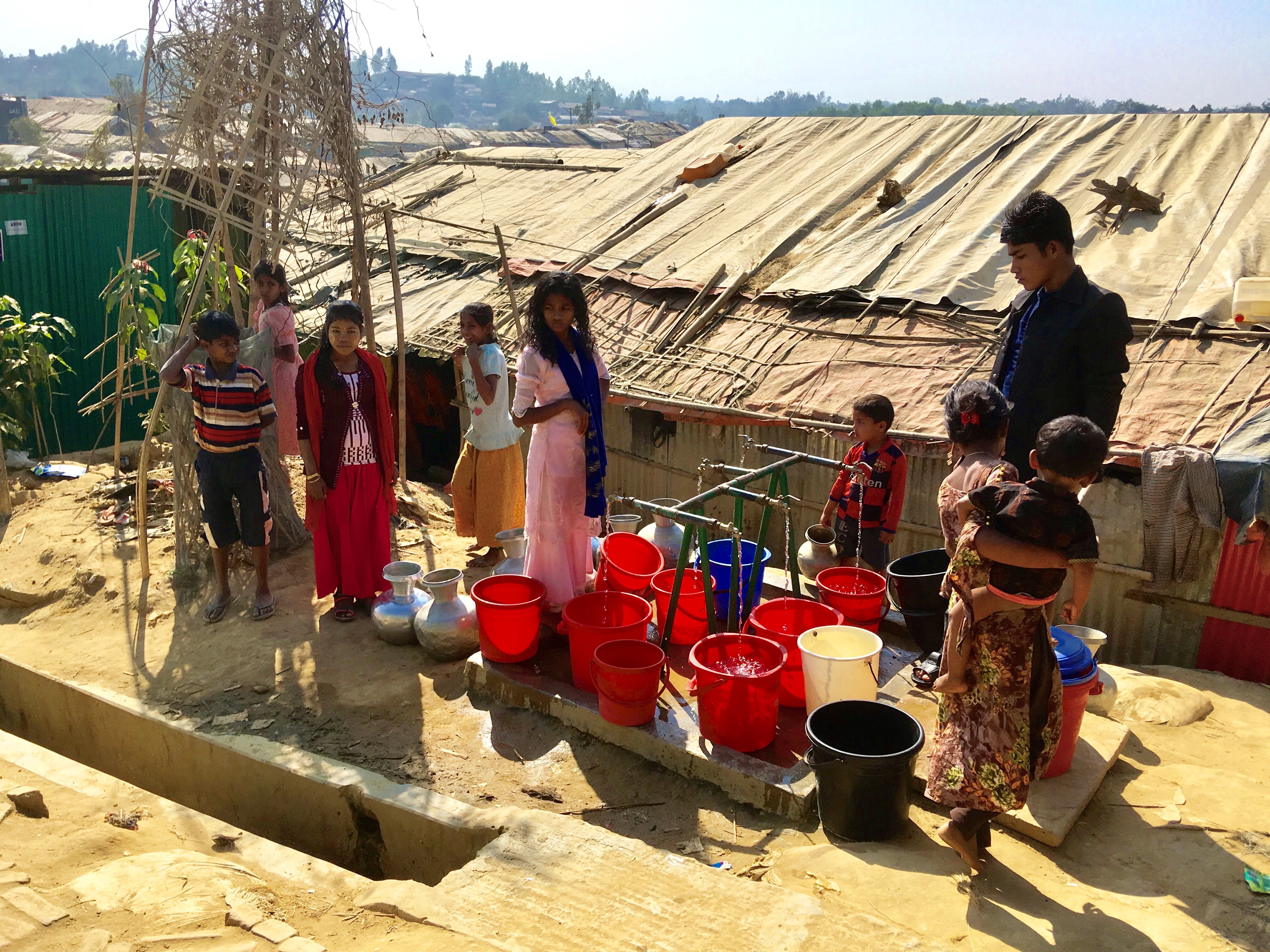
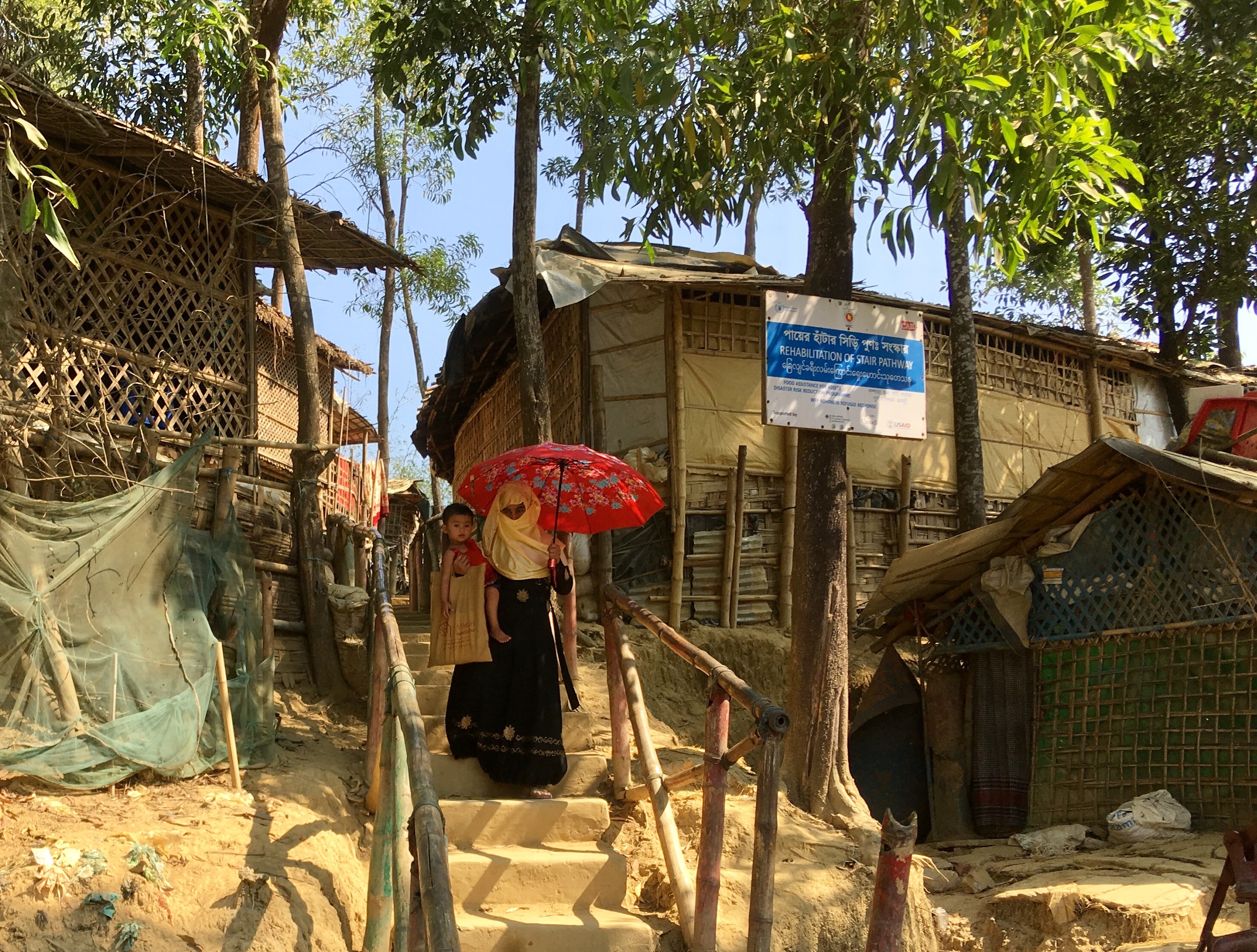
Conditions in the Rohingya refugee camp near Cox’s bazaar are very challenging and the refugees (who are labelled as ‘forcibly displaced persons’ by the Bangladeshi government) rely heavily on humanitarian aid from the UN and other NGO’s including Christian Aid (CAID). The camp is divided into 34 administrative units and CAID have been mainly involved with Jamtoli Camp (No.15) and Hakimpara Camp (No.14) where more than 100,000 people live in flimsy overcrowded tarpaulin shelters in an area of less than one square mile.
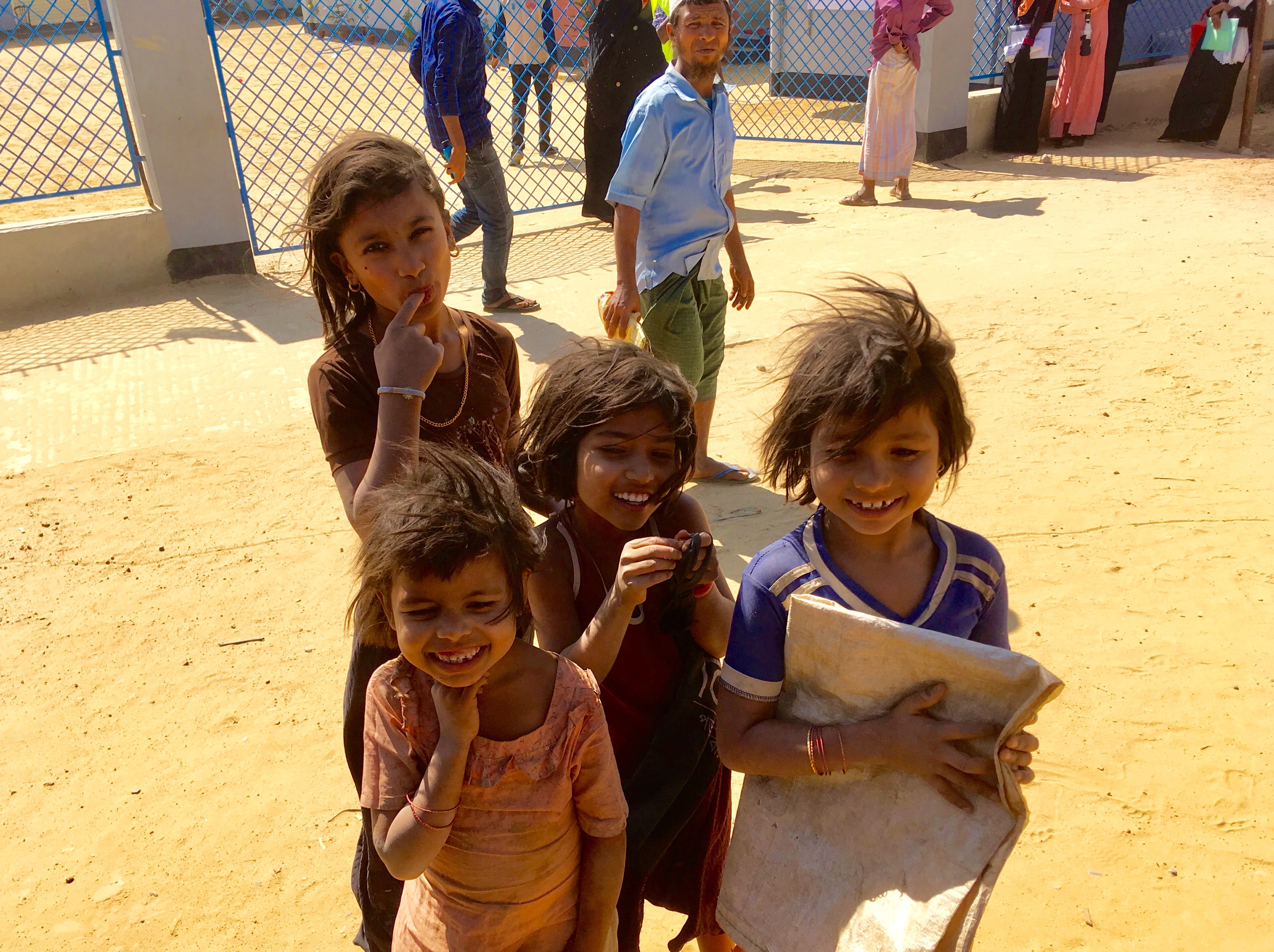
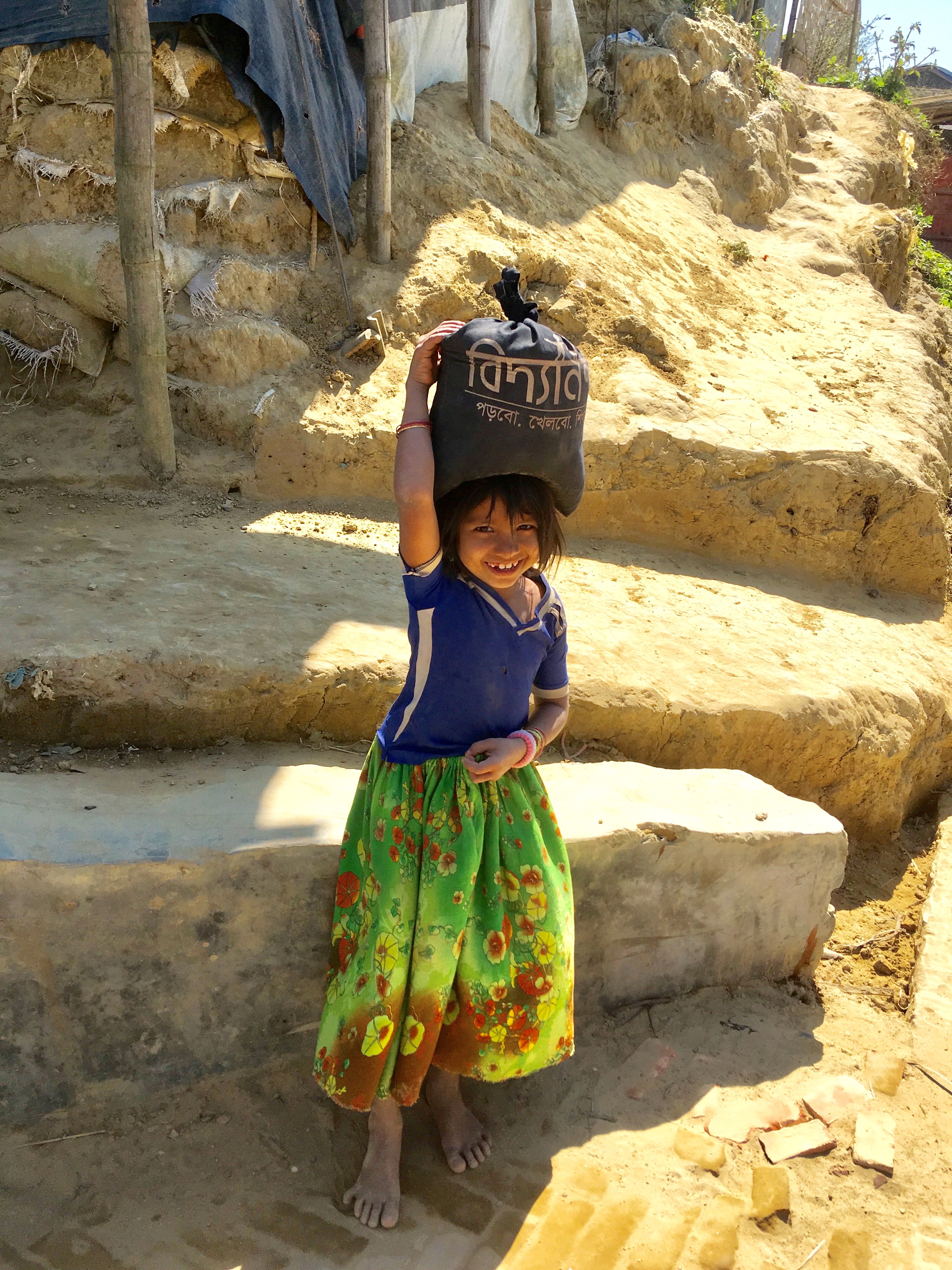
In February 2020 Dr Nick and Claudine were granted privileged access to the camp to see at first hand the work being done there in partnership with local charities Dhaka Ahsania Mission (DAM) and Dushtha Shasthya Kendra (DSK). They were very impressed with everything that had already been achieved but it was obvious a lot more still needed to be done to improve both the infrastructure and the facilities. A staggering 60,000 new babies are born inside the camp each year and it is now the most densely populated refugee camp anywhere in the world.
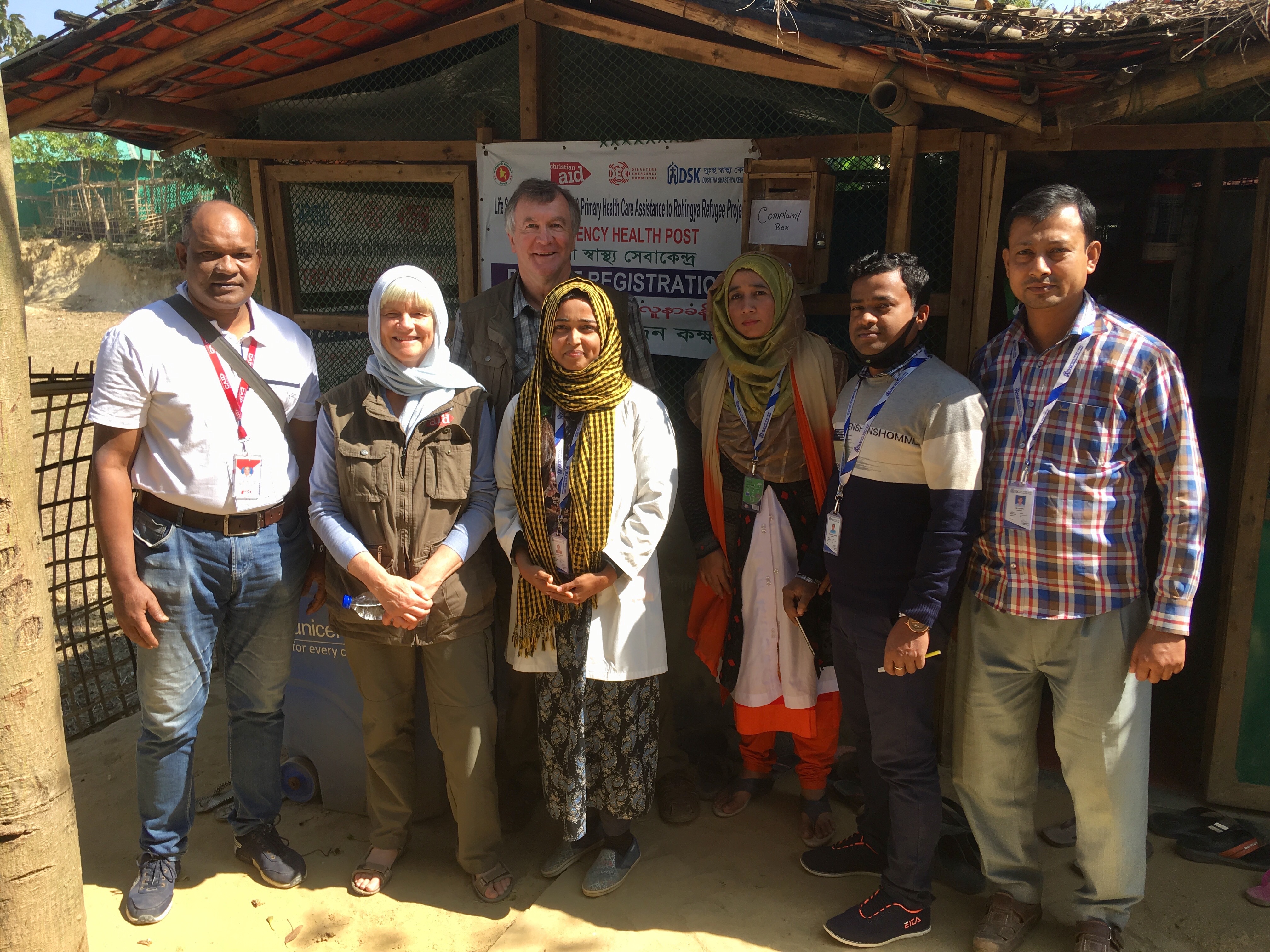
As well as latrines and deep tube wells supplying vital clean water to the camp, Emergency Health Posts have been established where dedicated teams of local doctors, nurses and other healthcare workers care for the refugees as best they can in very basic conditions and with a very limited supply of medicines.
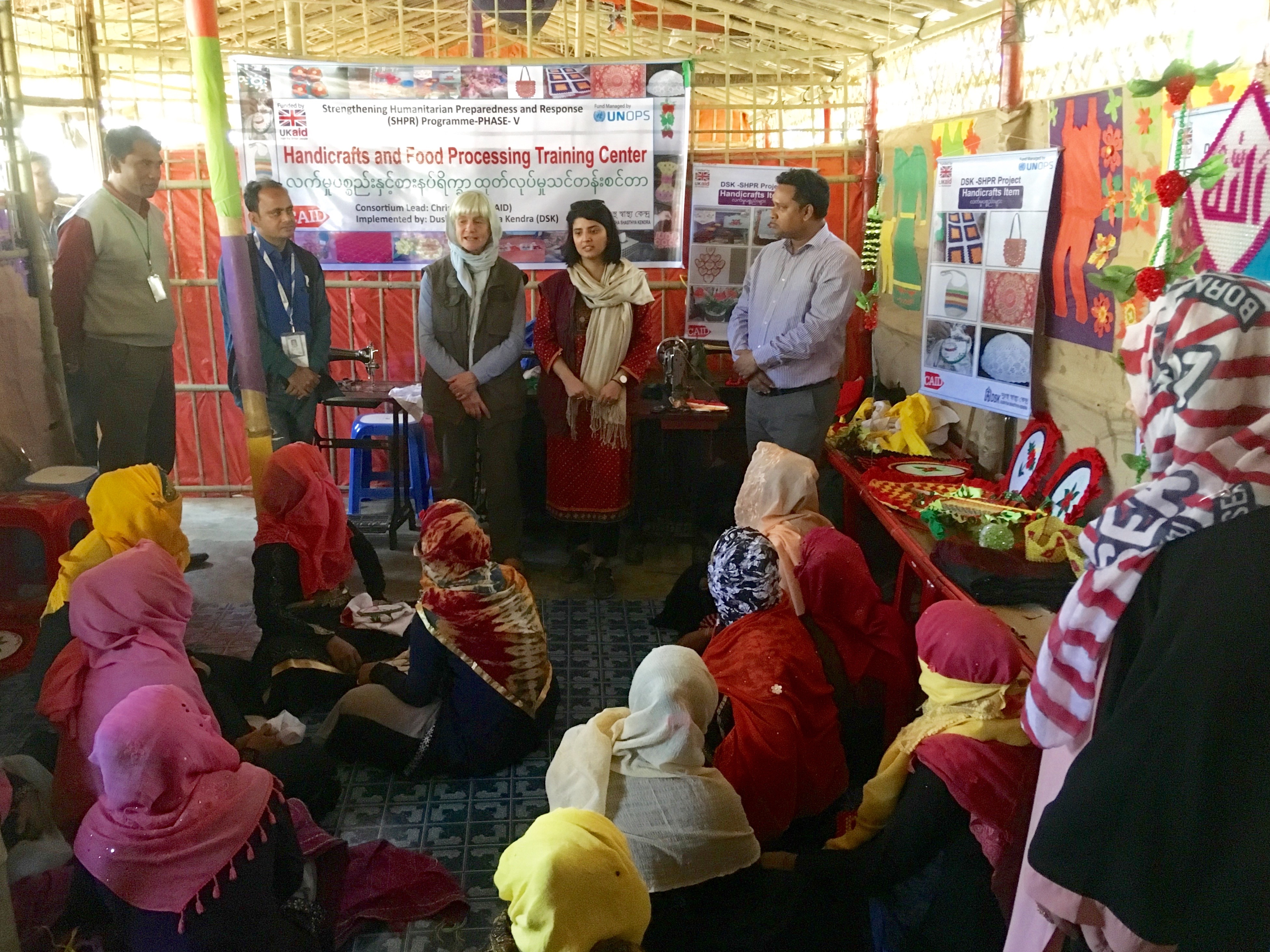
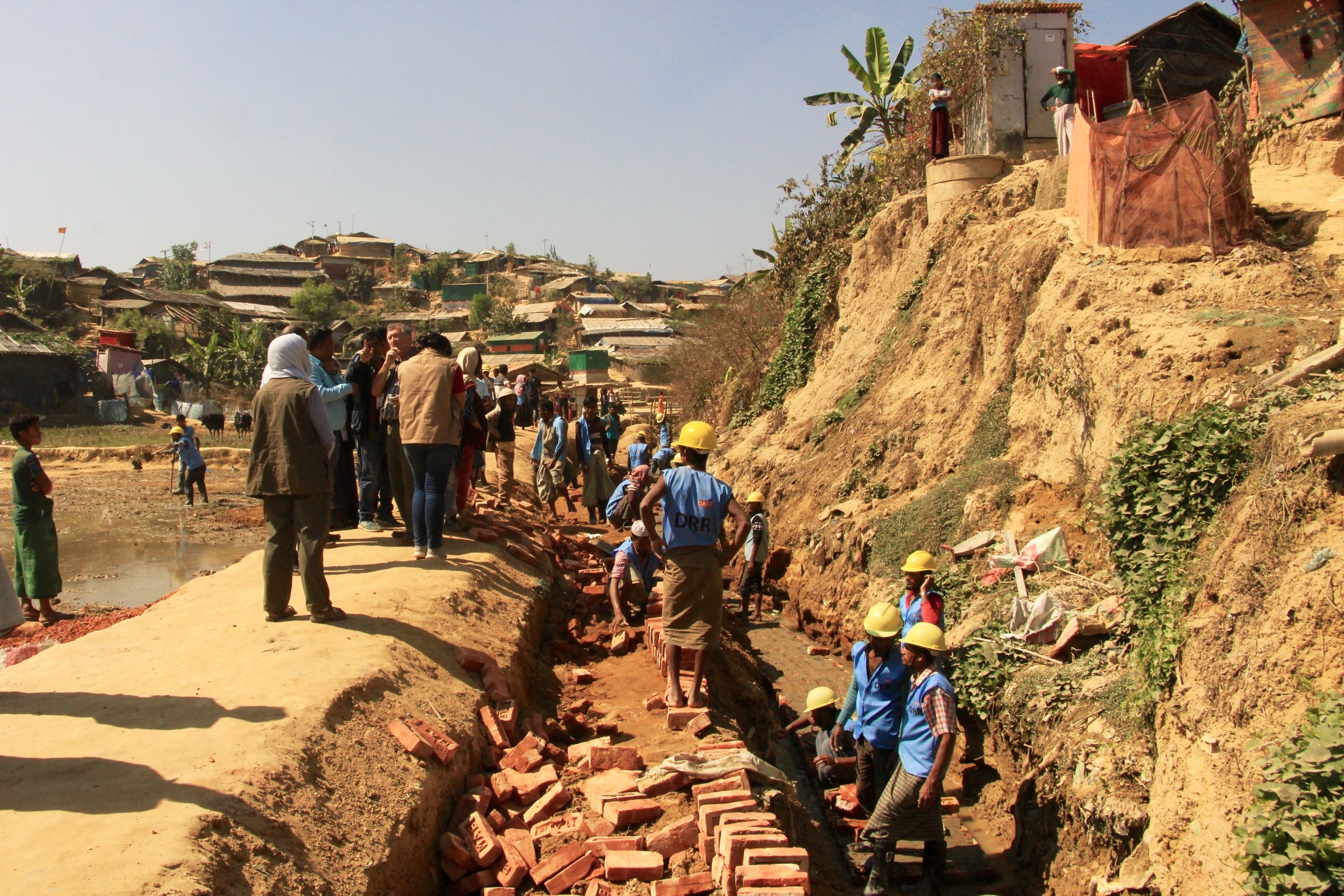
The hilly landscape means that there is a high risk of landslides during the rainy season and work is being done to install proper drainage and pathways around the camp. CAID has also set up handicraft training centres which double up as safe spaces for the many traumatized women, hygienic food processing outlets, homestead vegetable gardens, early learning centres and child care facilities. There is an ongoing programme of sanitation works including plans to develop a series of faecal waste management plants.
During their visit Dr Nick and Claudine were shown the efforts being made to vaccinate all the children for fear of measles breaking out in such an overcrowded conditions but shortly after they left events were very much overtaken by the start of the global Covid 19 crisis. Back home they launched their own appeal and were able to send funds straight to the medical team in Camp 15 to help purchase additional life-saving equipment and medicines.
 overseasaidalliance.org